The Turning Point: Real-World Stories Where an ECG Changed Everything – Case 7: The Unheard Warning After Heartworm Treatment
Welcome back to “The Turning Point,” where we spotlight real cases from your colleagues that demonstrate how an ECG can dramatically alter patient management. This edition focuses on a critical, high-risk period in a common parasitic disease: detecting silent complications following adulticide treatment for heartworm.
The Patient: A 6-year-old, mixed-breed dog presented for its scheduled recovery check 48 hours after its first melarsomine injection for moderate heartworm disease.
The Presenting Signs: According to the owner, the dog was resting comfortably at home, eating well, and showed no overt signs of distress like increased coughing, weakness, or collapse. The physical exam in the clinic was unremarkable, and the patient appeared bright and stable.
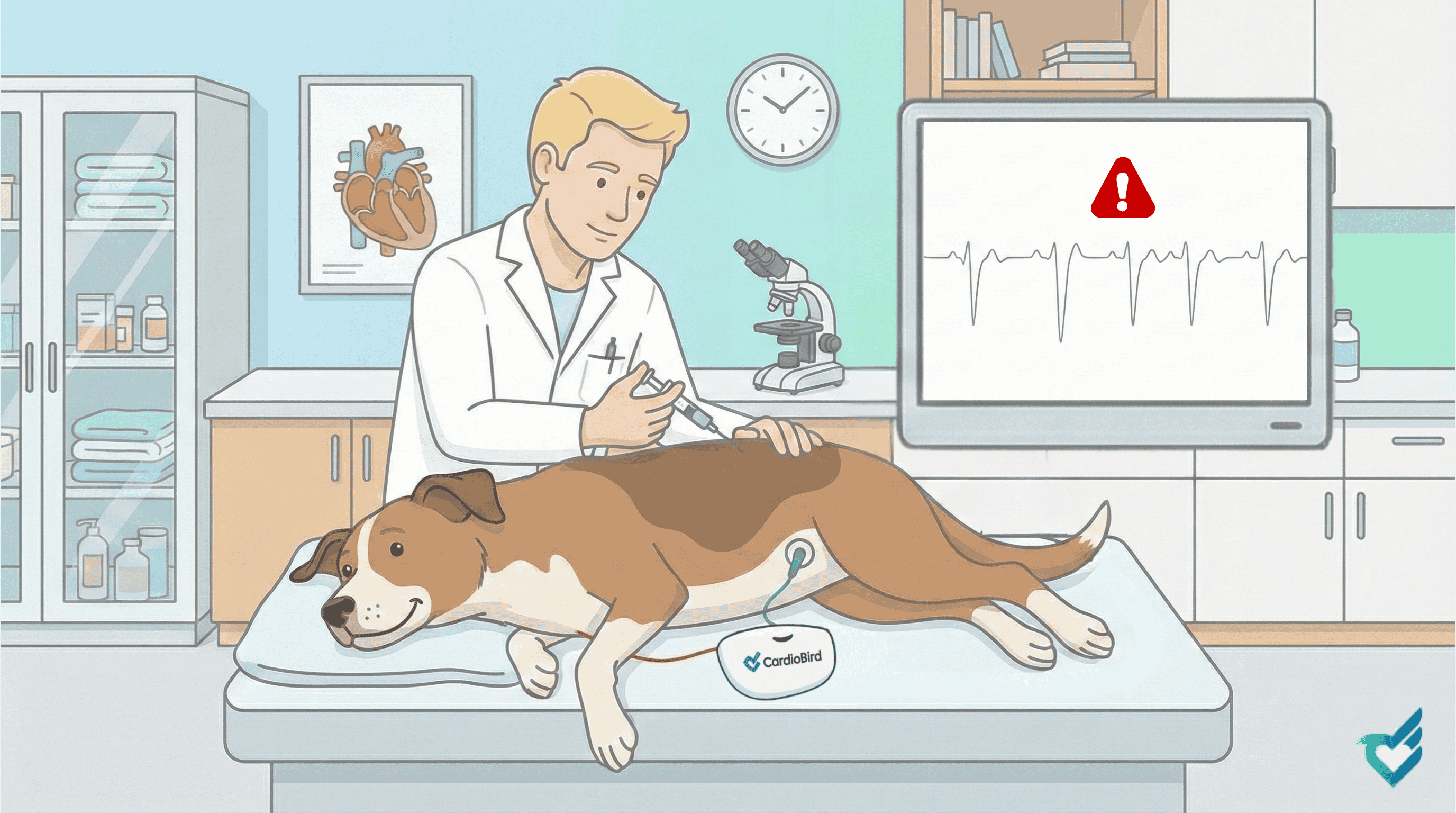
The Turning Point – The Post-Treatment ECG: As part of the clinic’s standard post-adulticide protocol, a CardioBird ECG was performed. The ECG trace revealed a significant and concerning change from the pre-treatment baseline: a markedly deepened and widened S wave, a diminished R wave amplitude, and a more pronounced right axis deviation.
ECG Findings & Critical Difference:
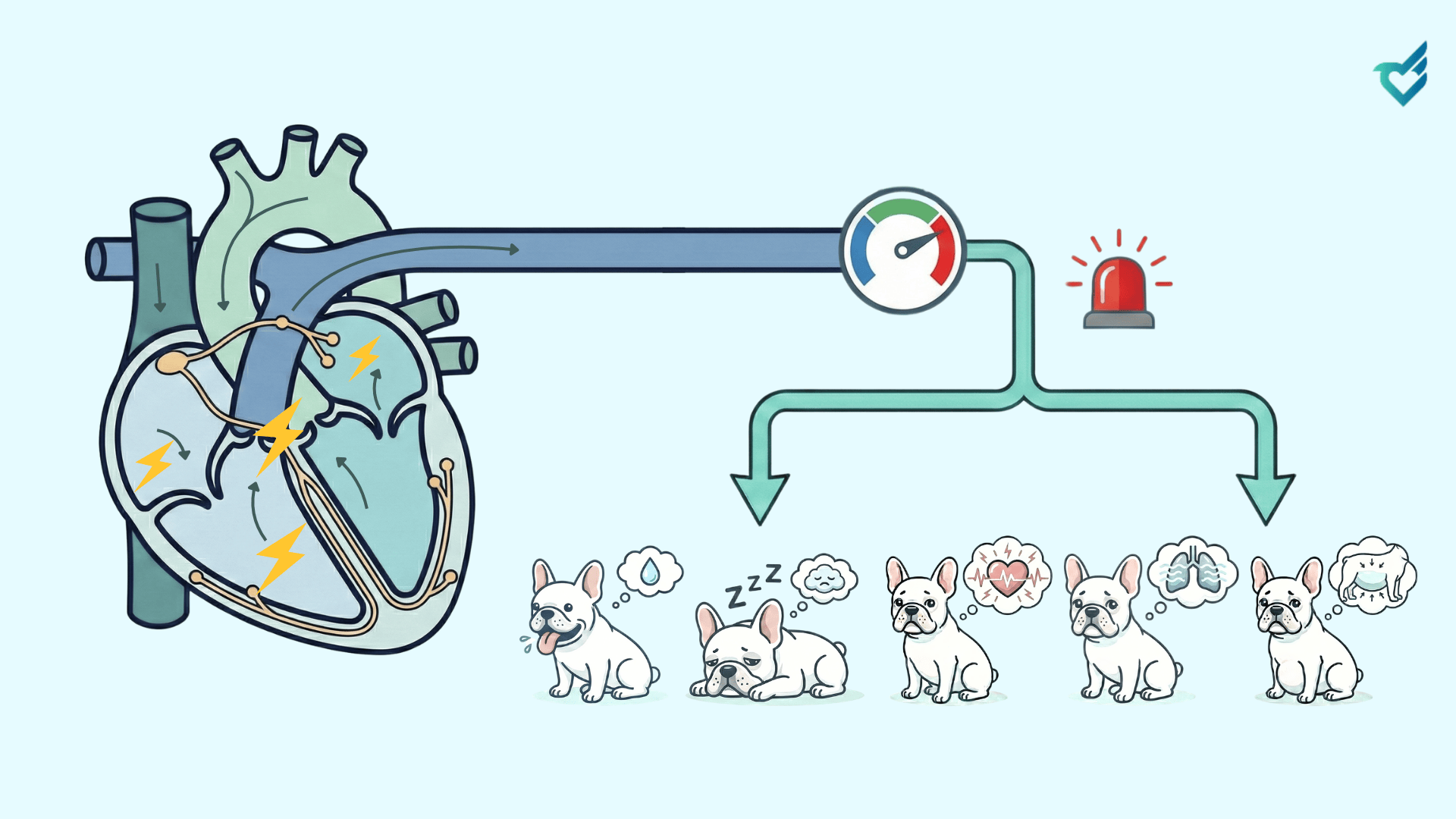
These specific waveform changes are classic indicators of acute worsening in right ventricular strain and pulmonary hypertension. They signal complications like pulmonary thromboembolism, which can occur silently as worms begin to die off post-treatment. In this seemingly stable patient, the ECG was the only tool that detected this hidden, life-threatening deterioration.
This “turning point” finding led to an immediate escalation in care. The scheduled second melarsomine injection was postponed. The patient was hospitalized for strict cage rest, started on enhanced anti-inflammatory therapy and a pulmonary vasodilator (sildenafil), and monitored continuously. The objective ECG evidence allowed the veterinarian to convincingly explain the serious risk to the owner and justify the intensive—and ultimately life-saving—change in the treatment plan.
Your Takeaway:
This case reinforces three vital protocols for safely navigating heartworm treatment:
- Establishing a Pre-Treatment Baseline: ECG before administering adulticide is non-negotiable. It provides the essential reference point to identify meaningful change.
- Monitor After the Fact: A follow-up ECG 24-48 hours after each melarsomine injection is a critical safety check. It can detect silent hemodynamic deterioration long before clinical signs like dyspnea or weakness appear.
- Let Waveform Changes Guide Care: Pay close attention to the morphology of the QRS complex. A progression to deeper S waves, smaller R waves, and a more negative overall complex are key indicators of worsening right heart strain, requiring immediate intervention.
By integrating a simple pre/post-treatment ECG into your heartworm protocol, you move from hoping for the best to actively ensuring the safest possible recovery. You are part of a global community using smart technology to uncover hidden risks and provide a higher standard of care for every patient.
Have a “Turning Point” case of your own? We’d love to feature it. Share your story with us.