Special Topic – Routine Preanesthetic ECG in Veterinary Practice: A Practical, High‑Impact Upgrade
Estimated reading time: 4.66 minutes
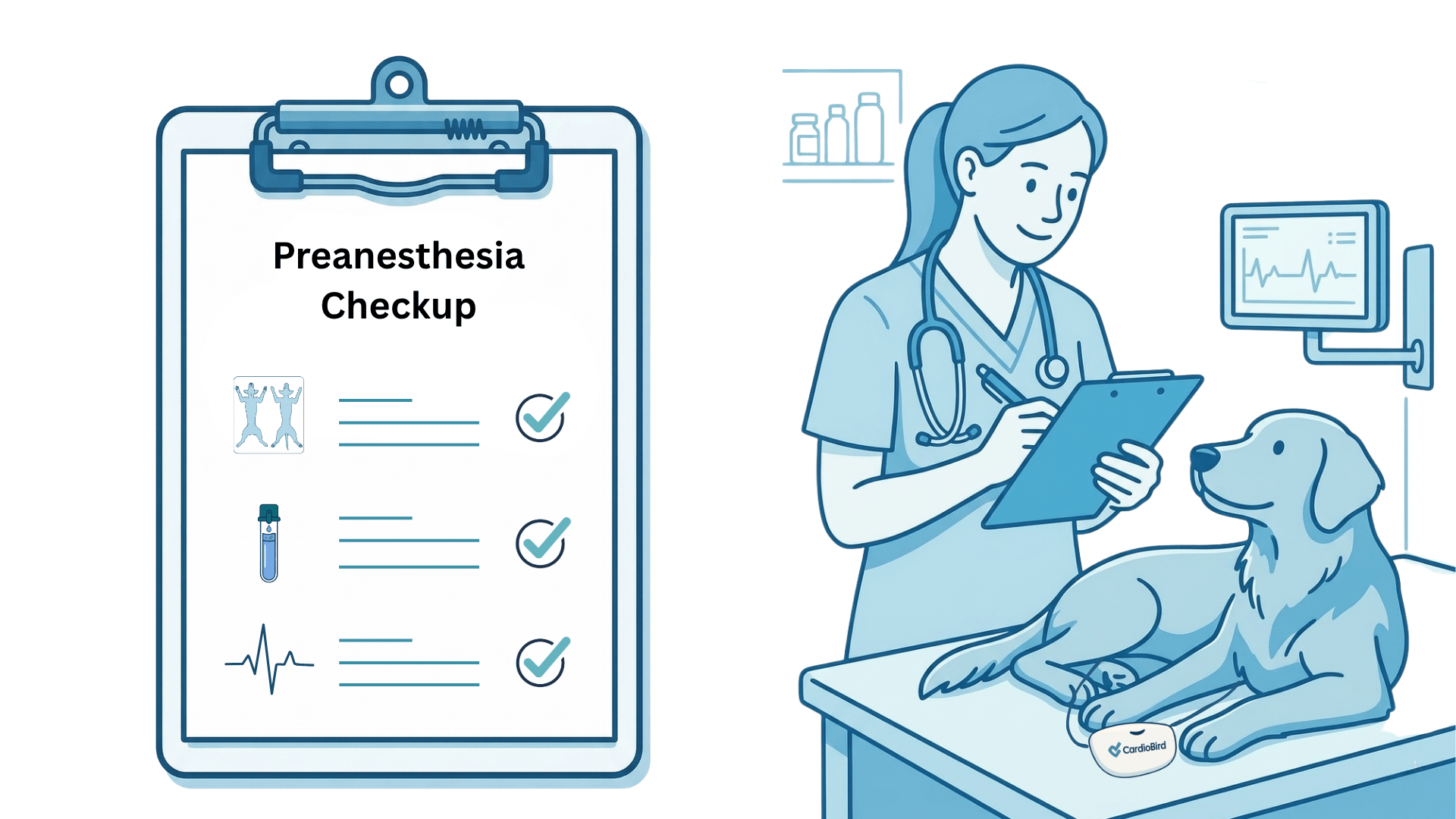
Including an ECG in every preanesthetic check is one of the most effective ways to reduce avoidable anesthetic risk in dogs and cats, especially when the test is fast, operator‑independent, and supported by specialist‑level AI interpretation.
Why ECG belongs in all preanesthetic checks
Cardiovascular complications account for the majority of anesthetic‑related deaths in small animals, with some reports attributing up to 74% of events to underlying or anesthesia‑unmasked heart problems. Many of these patients appear clinically normal on physical exam and routine blood work, as early cardiac disease and rhythm disturbances are often subclinical.
A preanesthetic ECG adds unique value because it:
- Detects silent arrhythmias and conduction disturbances that are not evident on auscultation or basic monitoring, such as ventricular premature complexes, supraventricular tachycardias, AV block, and significant bradyarrhythmias.
- Reveals electrical instability that may be triggered or worsened by anesthetic drugs, changes in vagal tone, or shifts in autonomic balance during induction and recovery.
- Provides an immediate, objective basis to adapt protocols (e.g., choice of induction agent, premedication, monitoring intensity, fluid strategy) and, when necessary, delay or further investigate high‑risk cases.
In a prospective study of 228 apparently healthy dogs, nearly one‑third (31.6%) had preanesthetic ECG abnormalities; in this group, ECG findings led to echocardiography in selected patients and to changes in anesthetic protocol in more than 15% of abnormal cases. This illustrates how a simple rhythm strip can materially influence case management.
Why ECG is the highest‑value targeted test
Once a universal screen (history, physical, minimum database) is completed, the next question is where a targeted test adds the most risk‑capture per minute and per dollar. ECG stands out because it is:
- Directly aligned with the main cause of anesthetic mortality: cardiovascular events and arrhythmias.
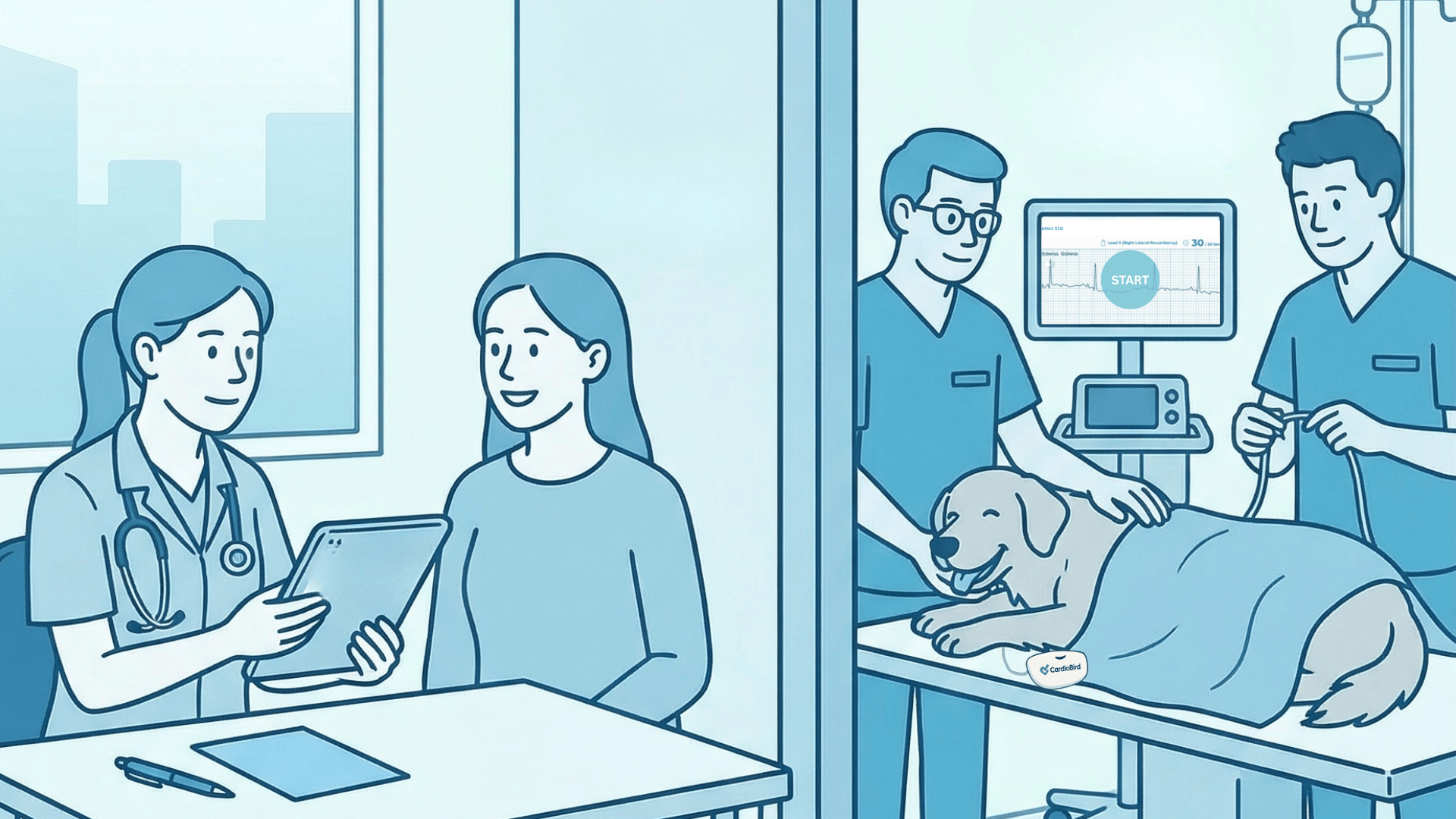
- Rapid and non‑invasive, with data acquired in 30–60 seconds and interpreted almost in real time when coupled with AI‑driven services like CardioBird.
- Highly actionable: rhythm and conduction findings immediately inform drug selection, necessity for anticholinergics or antiarrhythmics, and the level of intra‑ and post‑operative surveillance.
Blood panels, while essential for systemic risk assessment, do not directly assess electrical stability of the heart. ECG fills that specific gap with minimal friction in workflow.
ECG vs Echocardiography vs NT‑proBNP
These tests answer different questions; positioning them clearly helps you build a tiered preanesthetic strategy.
| Test | Primary question it answers | Strengths | Limitations / Best use |
| ECG | Is the cardiac rhythm and conduction stable enough for anesthesia today? | Fast, inexpensive, nurse‑run, highly actionable for protocol decisions. | Does not fully characterize structural disease. Best as universal preanesthetic screen. |
| Echocardiogram | What is the structural and functional status of the heart? | Gold standard for chamber size, function, valve disease, pulmonary hypertension. | Requires specialist skills/equipment, longer, higher cost. Best for cases flagged by ECG, exam, or history. |
| NT‑proBNP | Is there biochemical evidence of cardiac stretch/strain suggestive of heart disease? | Useful adjunct when echo access is limited; may help distinguish cardiac vs non‑cardiac causes of signs. | Indirect, can be normal in early disease or altered by non‑cardiac factors; not a real‑time rhythm assessment. |
A practical positioning for daily practice:
- Make ECG your routine universal targeted cardiac screen for every anesthetic patient, irrespective of age or breed.
- Use ECG findings, signalment, and physical exam to triage which patients go on to echocardiography (e.g., complex arrhythmias, conduction disturbances, concerning P‑wave changes, murmurs in high‑risk breeds).
- Reserve NT‑proBNP as an adjunct where echo access is limited or when you need additional evidence for or against significant structural disease, but do not rely on it alone for anesthetic risk stratification.
How AI‑ECG raises the bar
Historically, one barrier to routine ECG has been time and interpretive confidence. AI‑supported platforms like CardioBird automatically analyze a short ECG recording from a palm‑sized device and return a specialist‑level report within 5–10 minutes, including arrhythmia detection, waveform interpretation, potential risks, and recommended next steps. This enables:
- Nurse‑ or assistant‑driven acquisition with consistent quality, reducing dependence on individual operator skill.
- Standardized, documented reports that are easy to attach to the medical record and to share with cardiologists when escalation is needed.
Clinical guidelines such as the AAHA Anesthesia and Monitoring Guidelines and recommendations from bodies like the Korean Veterinary Medical Association emphasize ECG as a key component of preanesthetic evaluation and anesthetic monitoring, underscoring its role as a modern standard of care.
How to explain preanesthetic ECG to pet owners
Here is a concise, client‑facing explanation you can adapt in your own words:
- “Any anesthesia carries some risk, and most serious complications in dogs and cats are related to the heart and circulation.”
- “An ECG is a quick, painless recording of your pet’s heart rhythm that we perform before anesthesia. It helps us find hidden rhythm issues that you cannot hear with a stethoscope or see on blood work.”
- “If we detect anything unusual, we can adjust the anesthesia plan, add extra monitoring, or arrange further heart tests before we proceed. This is the same safety approach used in human hospitals.”
This frames ECG as a safety belt, not an optional ‘extra’.
Call to action
From a risk‑benefit standpoint, adding a preanesthetic ECG to your standard protocol is low cost, low friction, and directly targeted at the dominant cause of anesthetic‑related mortality. Consider making CardioBird ECG a default step for every anesthetic patient—performed by your nursing team, interpreted with AI support, and used to guide when to adjust protocols or refer for echocardiography—so that “no ECG before anesthesia” becomes the rare exception rather than the rule in your practice.