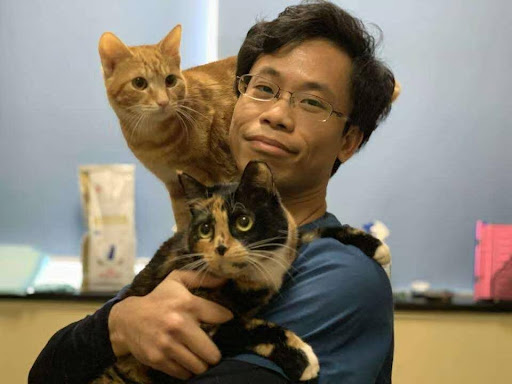
Dr. Shaomin Cai/ SAPPHIRE Veterinary Hospital / Shanghai
Veterinarian Spotlight #22:
Dr. Shaomin Cai
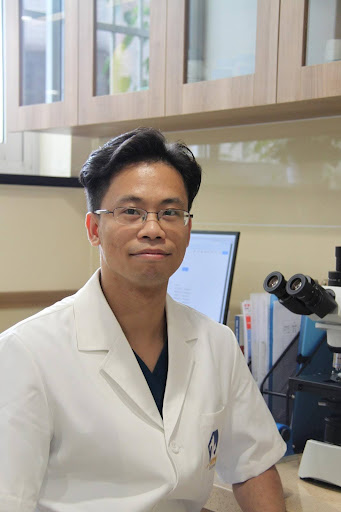
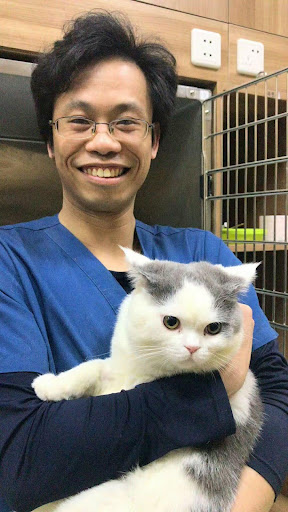
We are delighted to introduce Dr. Shaomin Cai as our featured veterinarian for this issue. Dr. Cai serves as the Head of the Imaging Department and is a Cardiology Specialist at SAPPHIRE Veterinary Hospital in Shanghai. He holds a Master’s degree in Veterinary Medicine from China Agricultural University. He has dedicated himself to the forefront of clinical pet care, with a focus on small animal diagnostic imaging, cardiovascular/respiratory diseases, and the management of critically ill patients.
Bio:
- 2009 – 2016, BVM / MVM, China Agricultural University
- Post-Graduation – Present, Head of Imaging Department / Cardiologist, SAPPHIRE Veterinary Hospital,Shanghai
Q1 : How would you introduce yourself in 3 words
Composed, Focused, Conscientious.
Q2 : At what age, did you decide to become a vet?
I made the decision to become a veterinarian shortly after entering university. My childhood fascination with animal anatomy and biology led me to choose related fields like biology, animal hospital science, and animal science for my undergraduate studies. I was ultimately admitted to the Animal Medicine program at China Agricultural University. Upon starting university, I learned about the three main career paths: clinical practice, preventive medicine, and basic research. The presence of China’s top animal hospital—the China Agricultural University Teaching Hospital—combined with my personal fondness for small animals, solidified my resolve to become a pet care veterinarian.
Q3 : What do you like the most about being a vet?
The opportunity to interact with a variety of adorable small animals every day. Their large, round eyes have an instant healing power, capable of dispelling any unhappiness.
Q4 : One sentence that describes your value as a vet.
To safeguard animal health with professionalism and responsibility, serving as a bridge of trust between humans and animals.
Q5 : Can you share one memorable moment in your career as a vet?
That was the first acute heart failure emergency case I handled as a cardiologist. It was a 6-month-old cat that presented with acute respiratory distress. Although I had previously followed expert doctors in handling many similar cases, this was my first time independently facing an acute pulmonary edema case on the brink of death, and the first time facing an owner who was both anxious and helpless. I not only had to follow accurate protocols for rapid and precise diagnosis and treatment of the animal but also had to comfort the distressed owner, patiently explaining the condition, treatment process, and risks. The cat was successfully discharged after a week of treatment. The moment the owner walked out of the hospital, my belief in the significance of being a veterinarian was strengthened, and my confidence in managing critical care cases in the future was affirmed.
Q6 : What is your expertise (pursuing focus)?
I specialize in small animal diagnostic imaging (Radiography, Abdominal and Cardiac Ultrasonography, CT diagnosis), small animal hematology, the diagnosis and treatment of respiratory and cardiovascular diseases, and the diagnosis and management of critically ill animals.

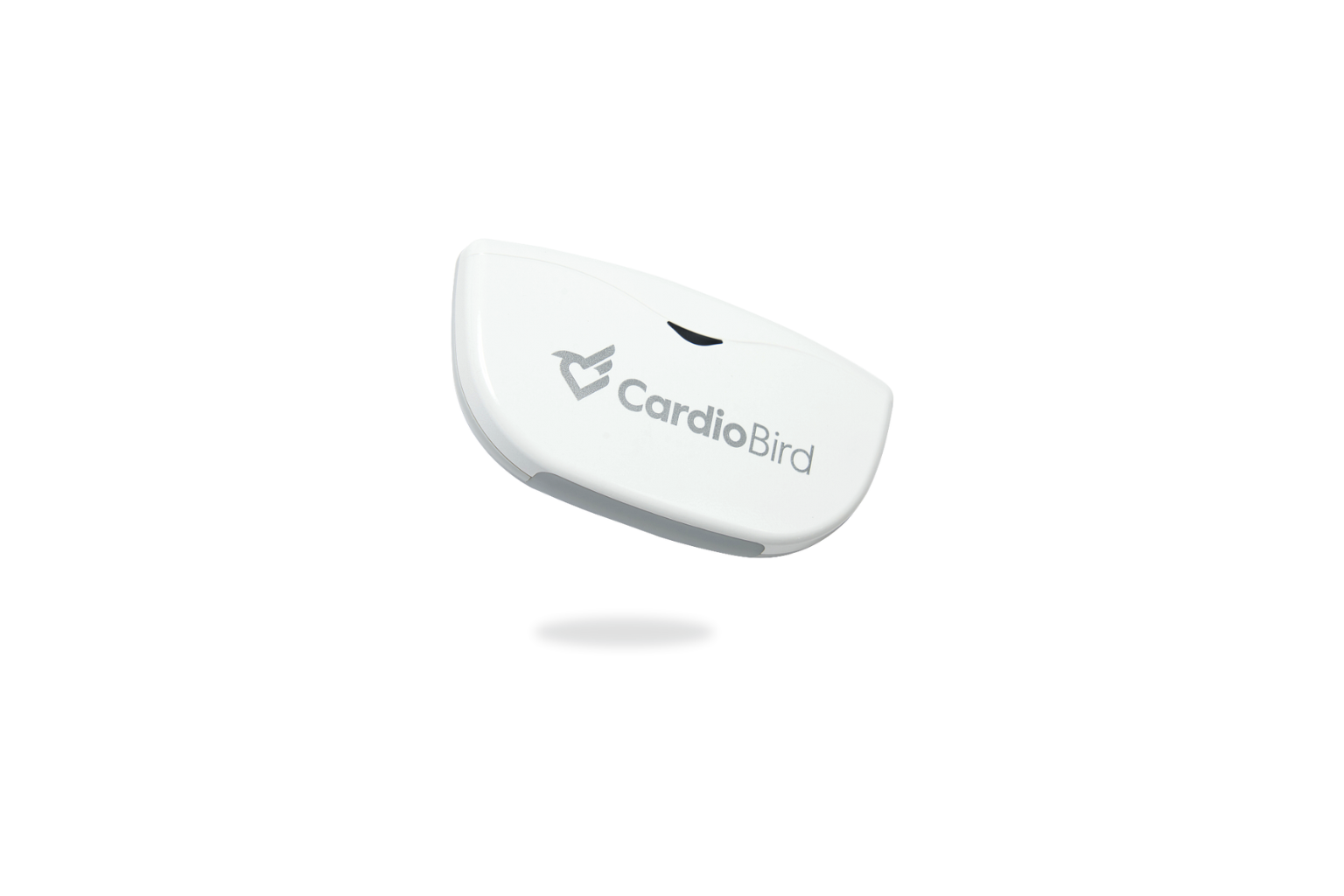
Q7 : Please share a specific case or scenario where you used CardioBird and describe how it helped you.
CardioBird is an exceptionally practical in-hospital monitoring service, particularly suitable for the real-time monitoring of critically ill inpatients. Its compact, flexible design, ease of use, speed, and reliable results are notable. What I appreciate most is its real-time capability. It allows me to detect abnormalities in an animal’s heart rate, rhythm, and respiration promptly, from anywhere—be it in the ward, in the outpatient area, or even after returning home.
For example, I recently managed an elderly dog with a severe gastrointestinal obstruction post-gastrotomy, which required nearly a week of semi-comatose monitoring. Using CardioBird for real-time surveillance, I was able to immediately identify the onset of Ventricular Premature Complexes (VPCs) and early Paroxysmal Ventricular Tachycardia (PVT). This enabled timely pharmacological intervention, preventing the development of a more critical condition.
 Q8: Surely you have a dream. What do you hope to accomplish through your career or in life?
I aspire to utilize my professional skills to help more sick animals overcome suffering. Although my expertise lies in managing severe cardiopulmonary diseases and critical cases—where at least half may not be fully curable, and many patients are deemed untreatable upon presentation—I am committed to exerting maximal effort. My goal is to alleviate clinical symptoms, enhance the quality of life, and extend the lifespan of my patients. This, I believe, is the fundamental mission of a medical practitioner.